
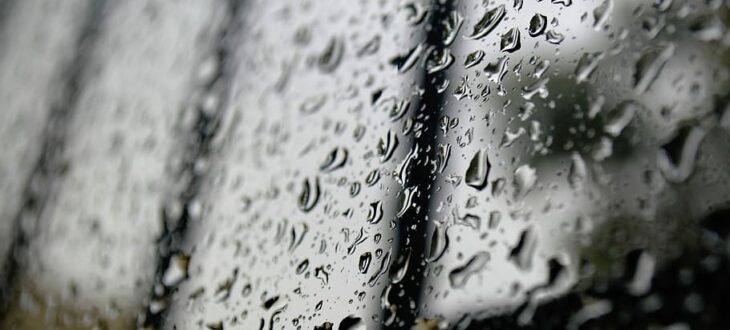
Dampness is one of the most annoying things that could occur in your house since it could lead to a room feeling cold, it could cause health problems, and, most importantly, it would eventually transform into weatherproofing or even structural problems. However, it signals its presence long before it causes these problems, which is why it won’t represent a long-term difficulty, provided you intervene in time. Precisely for this reason, by reading the article further, you’ll find the answers to some of the most frequently asked questions about dampness in the house.
What causes dampness?
Most frequently, dampness is caused by one of the following issues: poor ventilation (if air doesn’t circulate well enough through windows & doors, to the outside); penetrating dampness (if the roof or gutters are leaking, or there is damaged mortar, render, or pebbledash on exterior walls); leaking plumbing (if the hot or cold water supply leaks due to old or loose plumbing); rising dampness (this usually happens in old properties since new ones have dampness-proof courses built into the footings & foundations).
How to identify it?
As we already mentioned, dampness is easily identifiable, fortunately: the walls feel cold or dampness; the ceiling has mold & it has a discolored or stained look (especially brown patches in the external corners); the windows have condensation & black mold might develop on PVC & wooden window frames; in the bathrooms, kitchens, and basements or storage spaces, musty smells could be a sign of dampness; last but not least, black mold can also grow on the inside of curtains, blinds, and upholstered surfaces.
How to get rid of it?
There are two situations here: dampness on painted walls & ceilings, respectively moldy grout & sealant in the bathroom or around sinks. In the first case, you should dry out the area thoroughly using a dehumidifier, then treat the surface with an appropriate mold removal treatment. Once the surface is clean & dry, paint on top. Meanwhile, in the second case, you should remove as much of the mold as possible, with the same treatment, and, if it doesn’t work, you should cut the old sealant away with a knife blade. Then, reseal the affected area and wait a while before allowing the area to get wet.
How to prevent it?
There are numerous ways to prevent dampness: make sure your outdoor home maintenance is up to date; try to maintain a warm temperature inside your home; make sure it’s well-ventilated; try to avoid producing a lot of moisture; minimize condensation while cooking; remove excess moisture; choose a moisture-resistant paint & wallpaper; allow the room to breathe (good air circulation).
If everything we presented above seems too complicated to you, you should know that our highly-trained experts are always available to help you with valuable advice and, of course, with specific actions: professional cleaning (residential, commercial, windows, air ducts, carpets), home maintenance, handyman services, turnkey services, etc. Just contact us online or give us a call – our thousands of customers who have given us positive reviews cannot be wrong.